Platforms acquired
Walker C1 and U1 PRO as resources for development, integration and experimentation.
Innovation & R&D · NM3D
R&D programme in developmentTechnology to support those who care. Presence, communication and assistance centred on people.
We develop humanoid robot applications to support healthcare professionals, caregivers and people receiving care, with human oversight and progressive validation.
Our aim is to complement teams and preserve human relationships in care.
Starting point
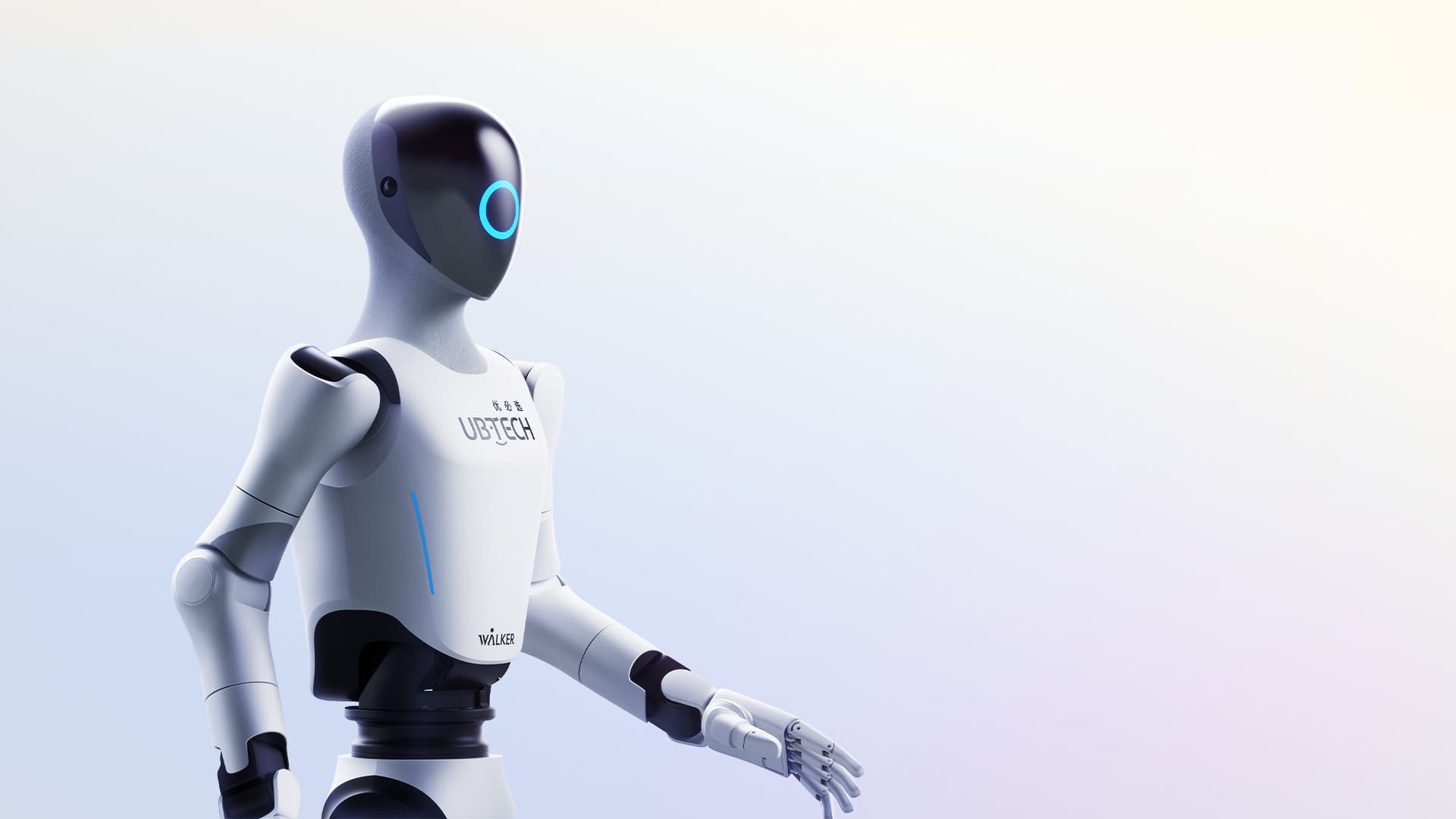
NM3D has acquired Walker C1 and U1 PRO platforms and is conducting technical R&D and training directly with UBTECH. This stage prepares the development and evaluation of use cases.
Walker C1 and U1 PRO as resources for development, integration and experimentation.
Technical development and training directly with UBTECH, focused on integrating and adapting the platforms for care.
Preparing use cases and evaluation protocols with institutions and care teams.
Research platforms
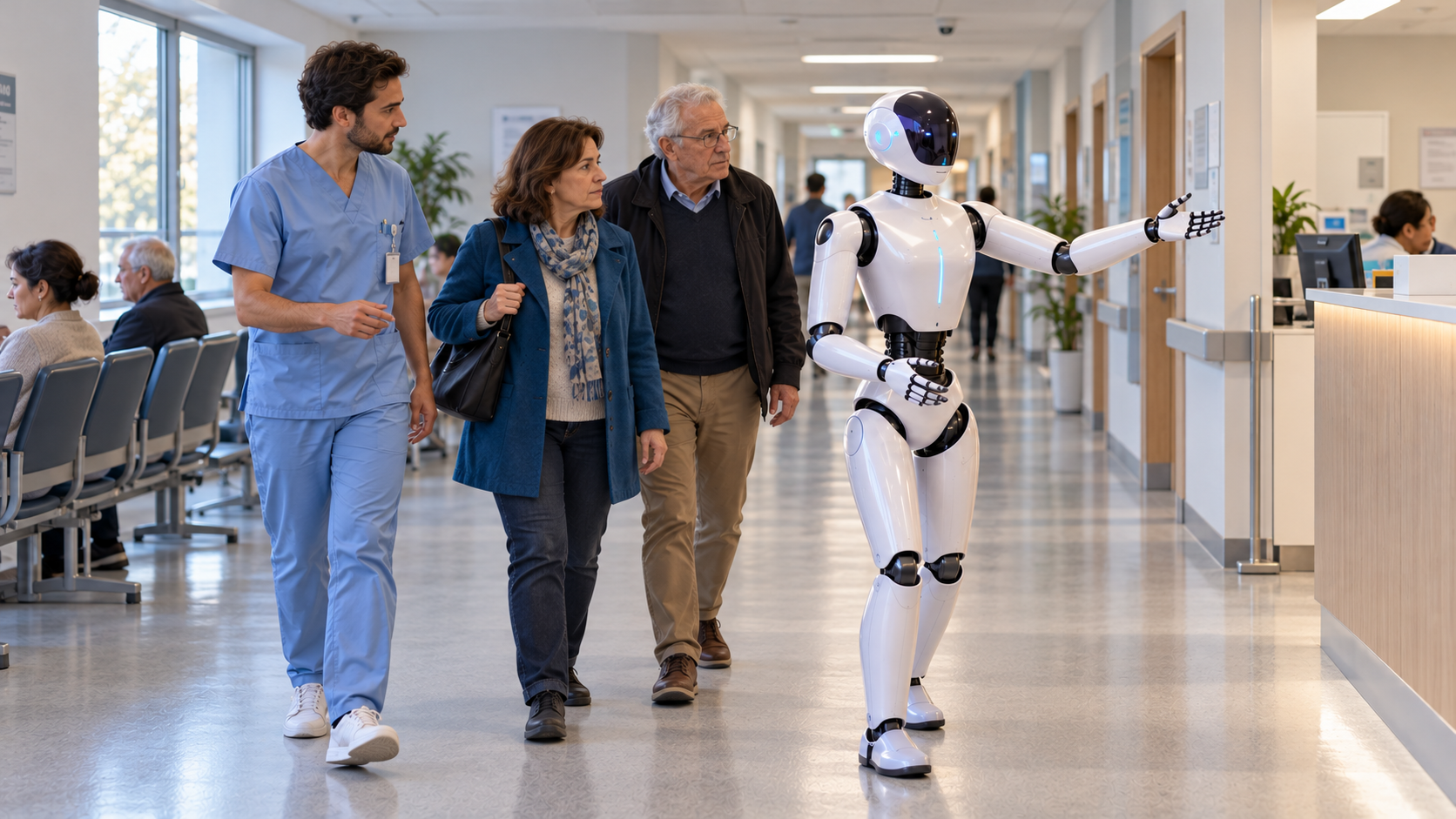
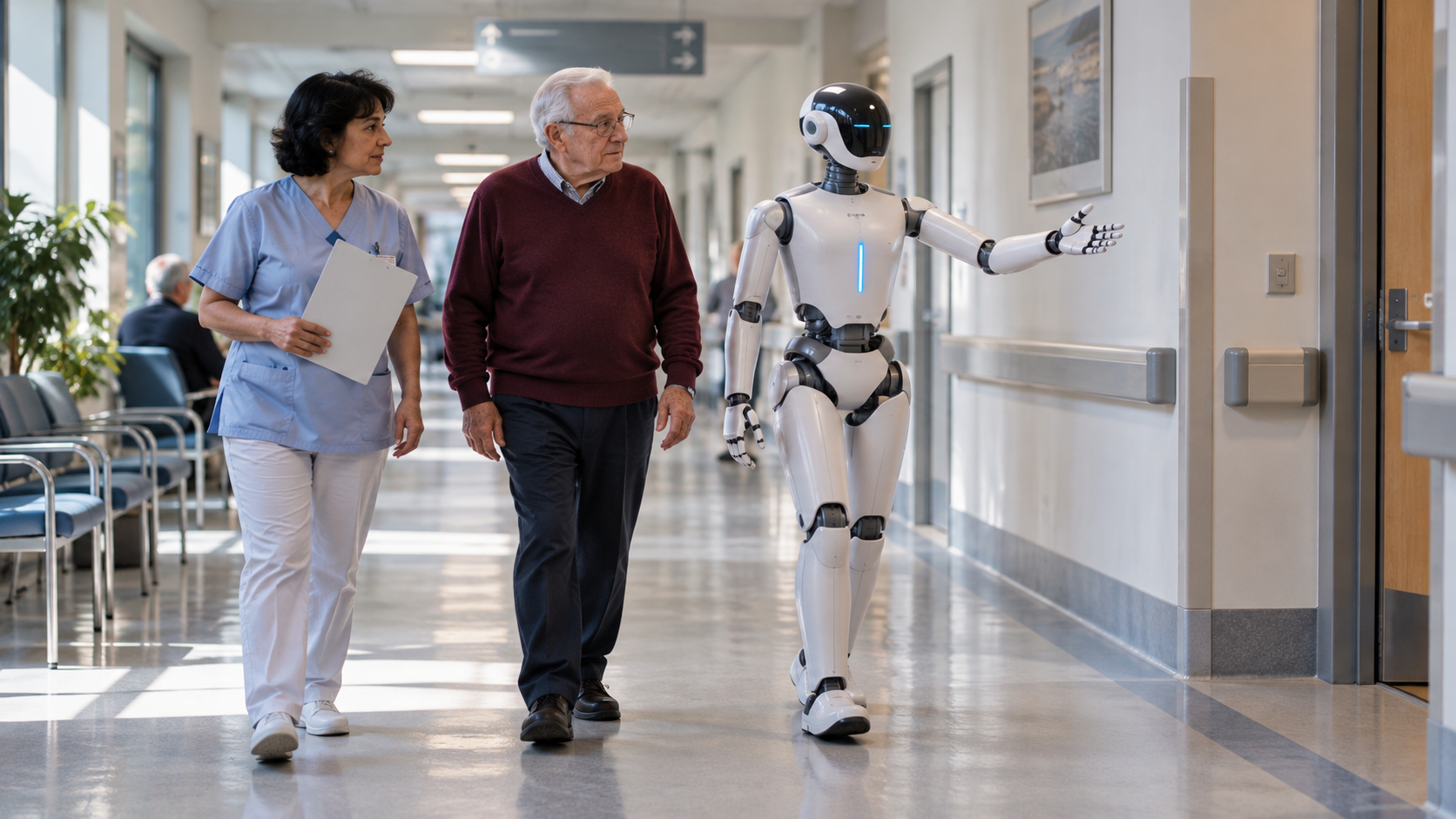
A platform for developing in-person interaction, reception, wayfinding and logistics support, with integration and supervision tailored to each setting.
Explore the UBTECH platform ↗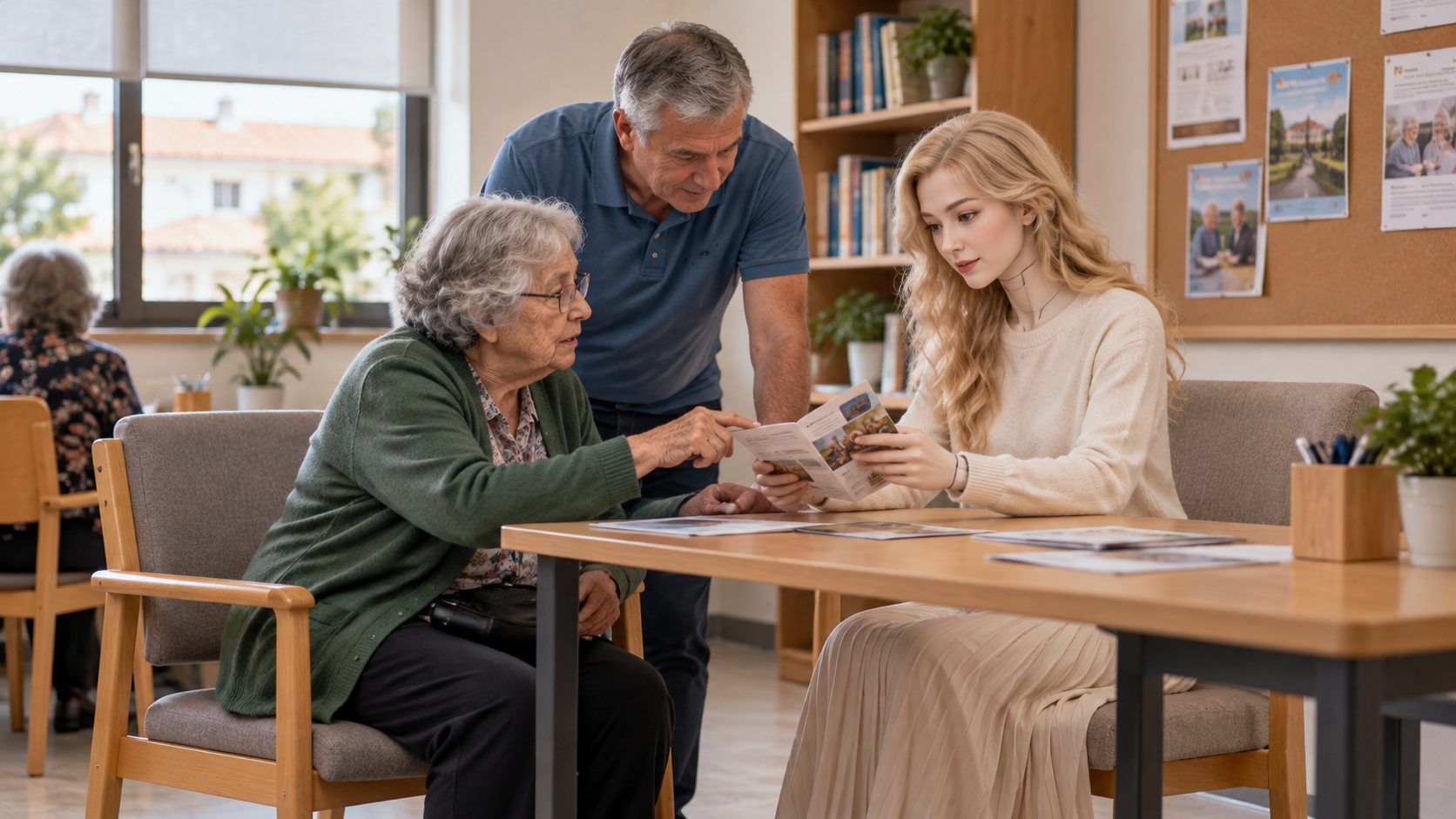
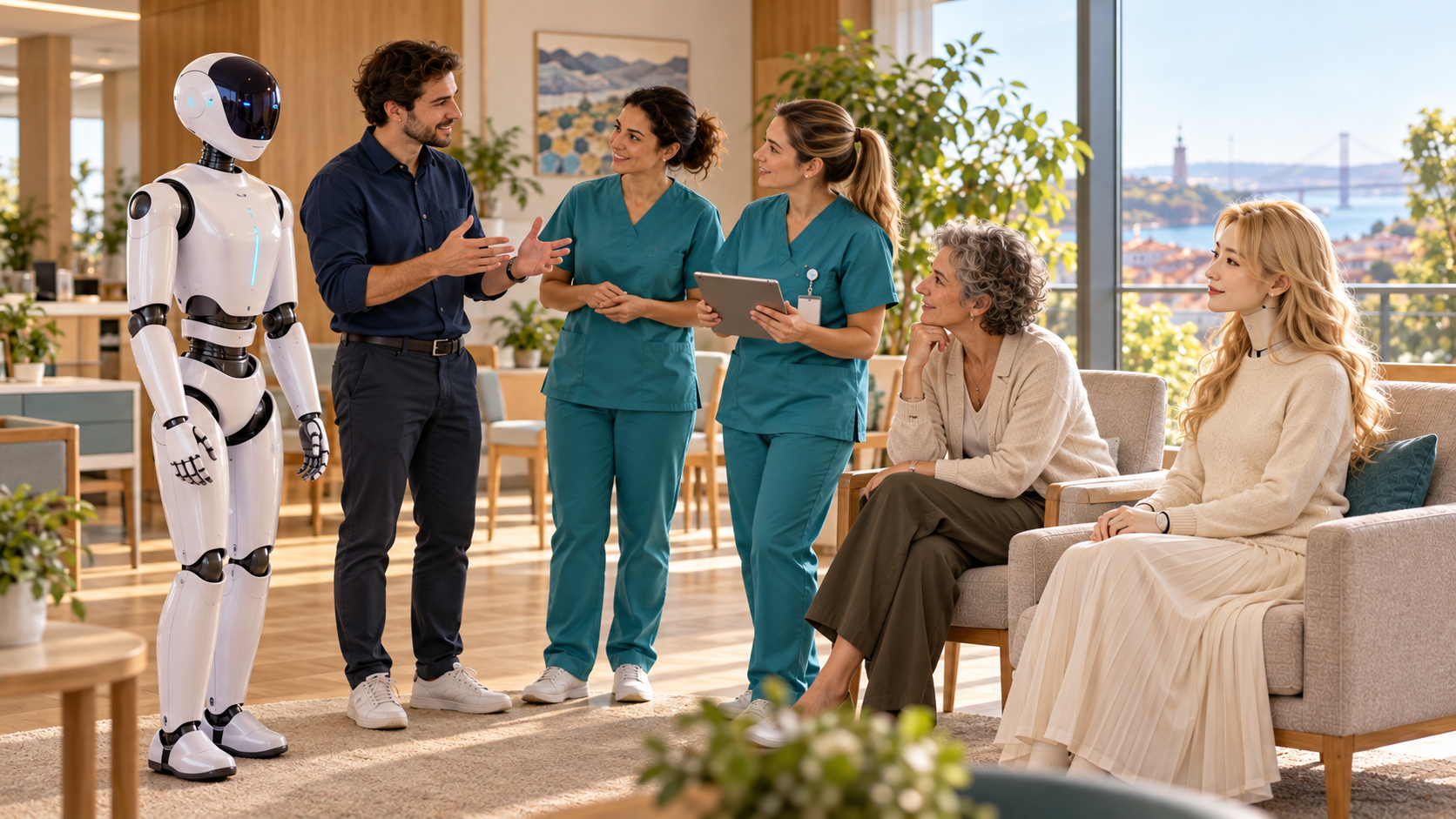
In the seated configuration acquired by NM3D, U1 PRO is the platform for developing companionship, conversation and social activities from a fixed location, coordinated with caregivers.
Explore the UBTECH platform ↗NM3D contribution
This R&D programme aims to develop our own applications and integrations. Challenges include accessible interaction in Portuguese, task oversight, reliable request routing and adaptation to shared environments.
Adapt language, pace and interfaces to people; study comprehension errors and acceptance.
Plan task confirmation, human intervention, exception handling and auditable records.
Explore integration with authorised systems and suitable devices, minimising data and defining responsibilities.
Proposed use cases
Use cases in development, with clear objectives, defined tasks and joint evaluation with institutional teams.
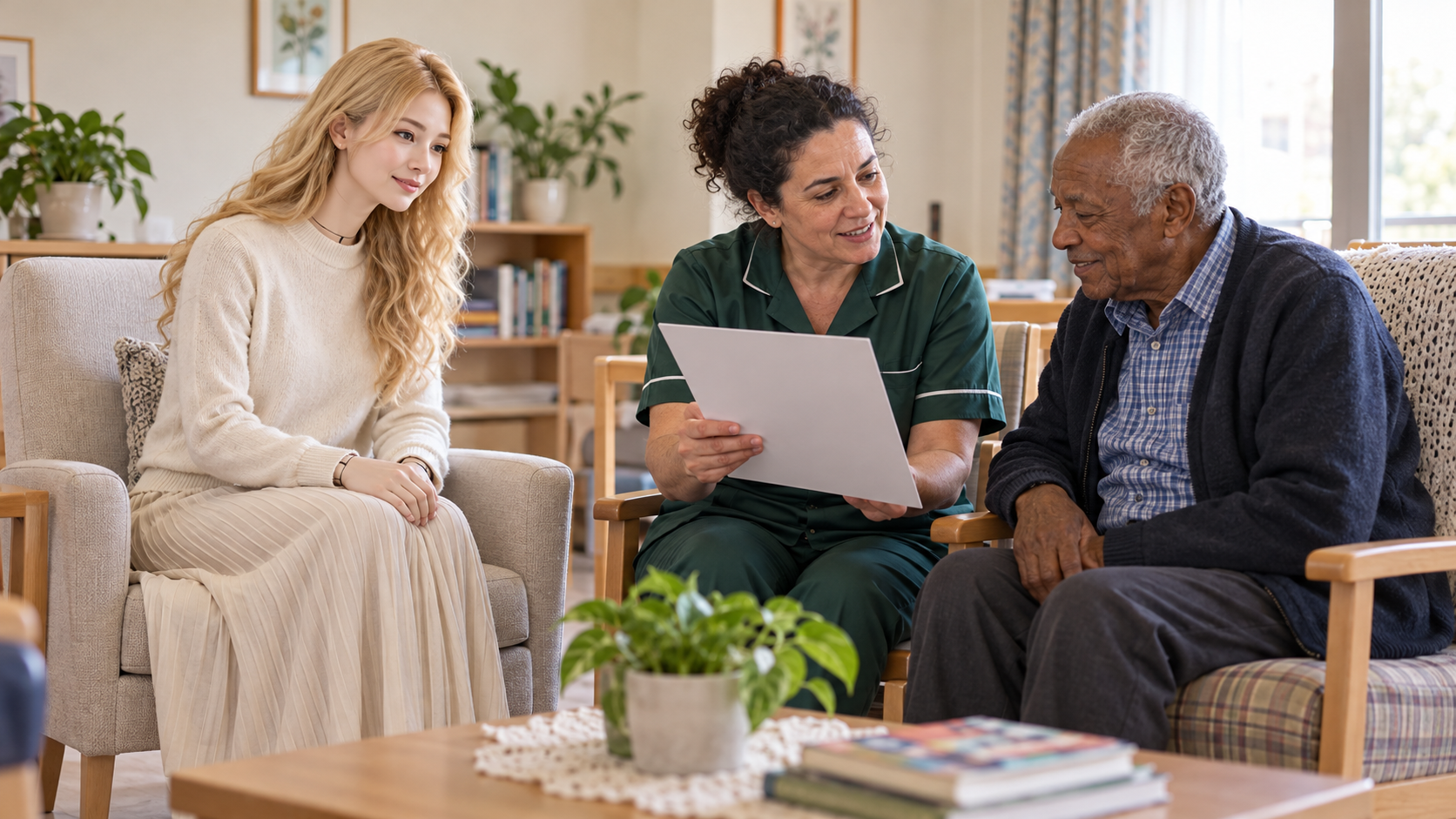
Conversation and caregiver-defined activities. Assess voluntary participation, accessibility, acceptance and intervention needs.
Receive a request, route it to the team and confirm receipt. Measure correct routing, timing and failure handling.
Explore Walker C1 to guide patients and companions to reception, appointments or departments along authorised routes. Assess understanding of directions, arrival at the destination and required human intervention.
Explore small non-critical tasks after validating payload, navigation and safety. Compare the cycle with the existing process.
Development focused on hospitals, day centres, residential care and hospital-at-home services.
Project visualizations
Walker C1 and U1 PRO in applications supporting care, with professionals and caregivers at the centre.
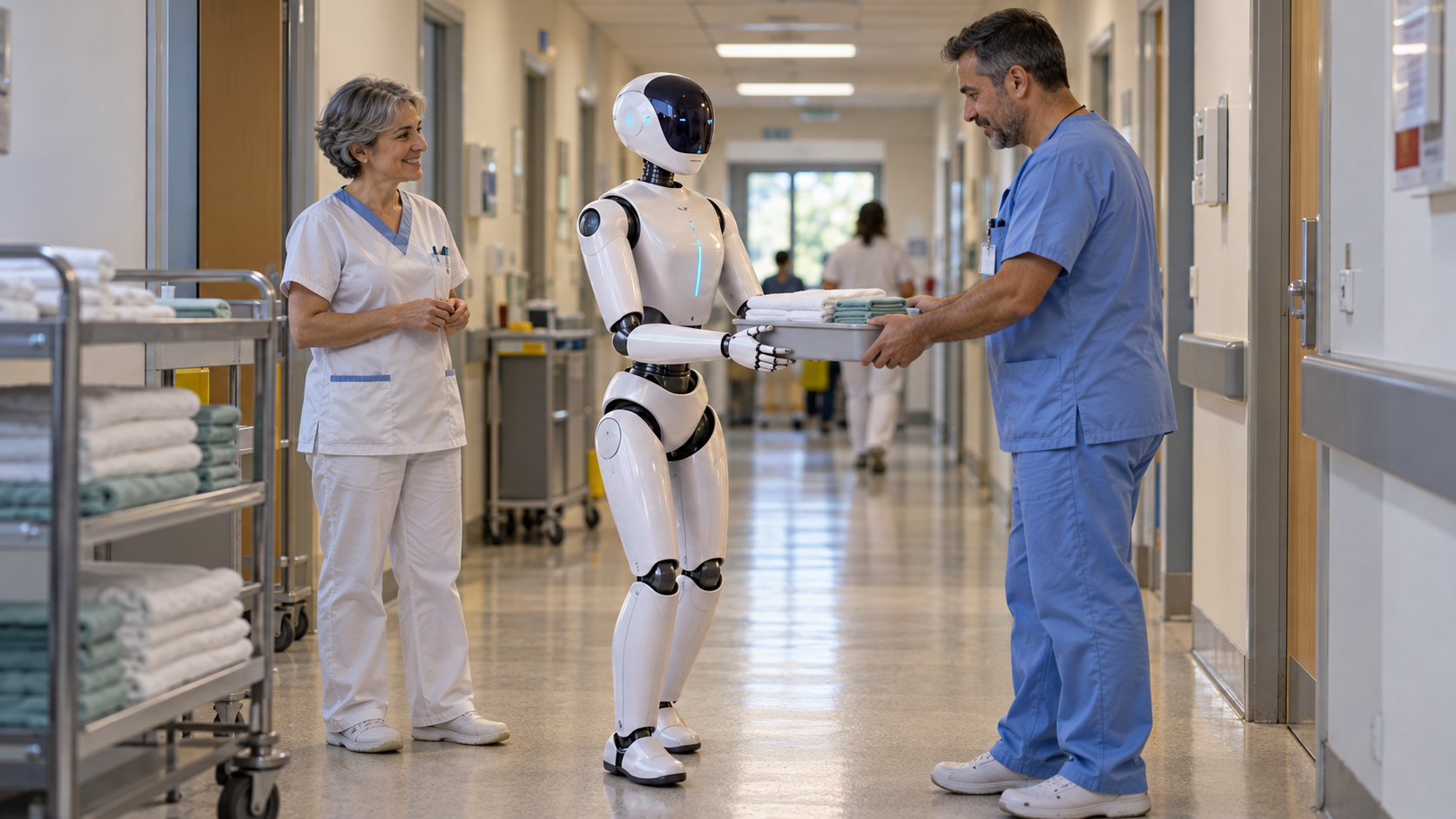
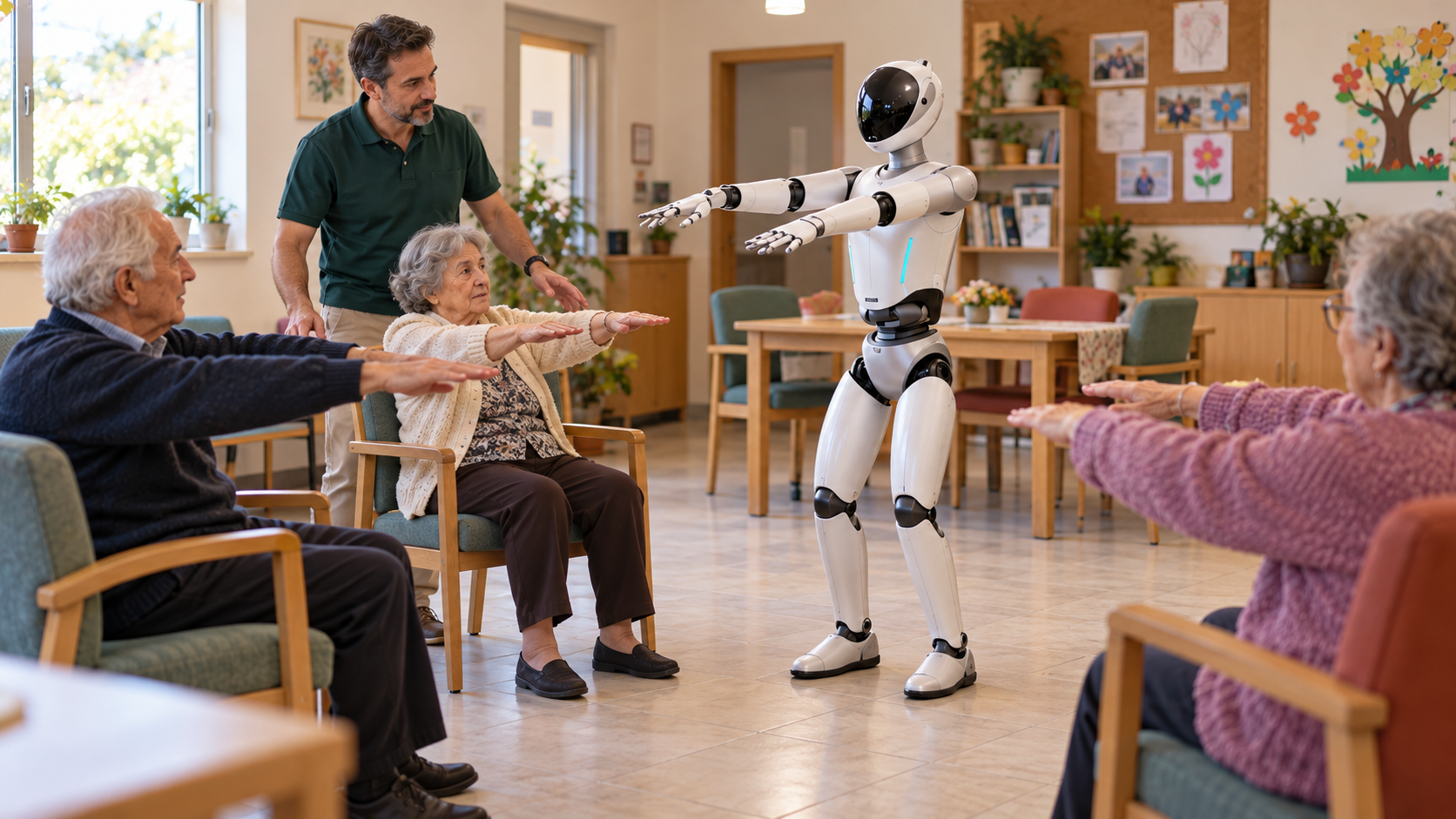
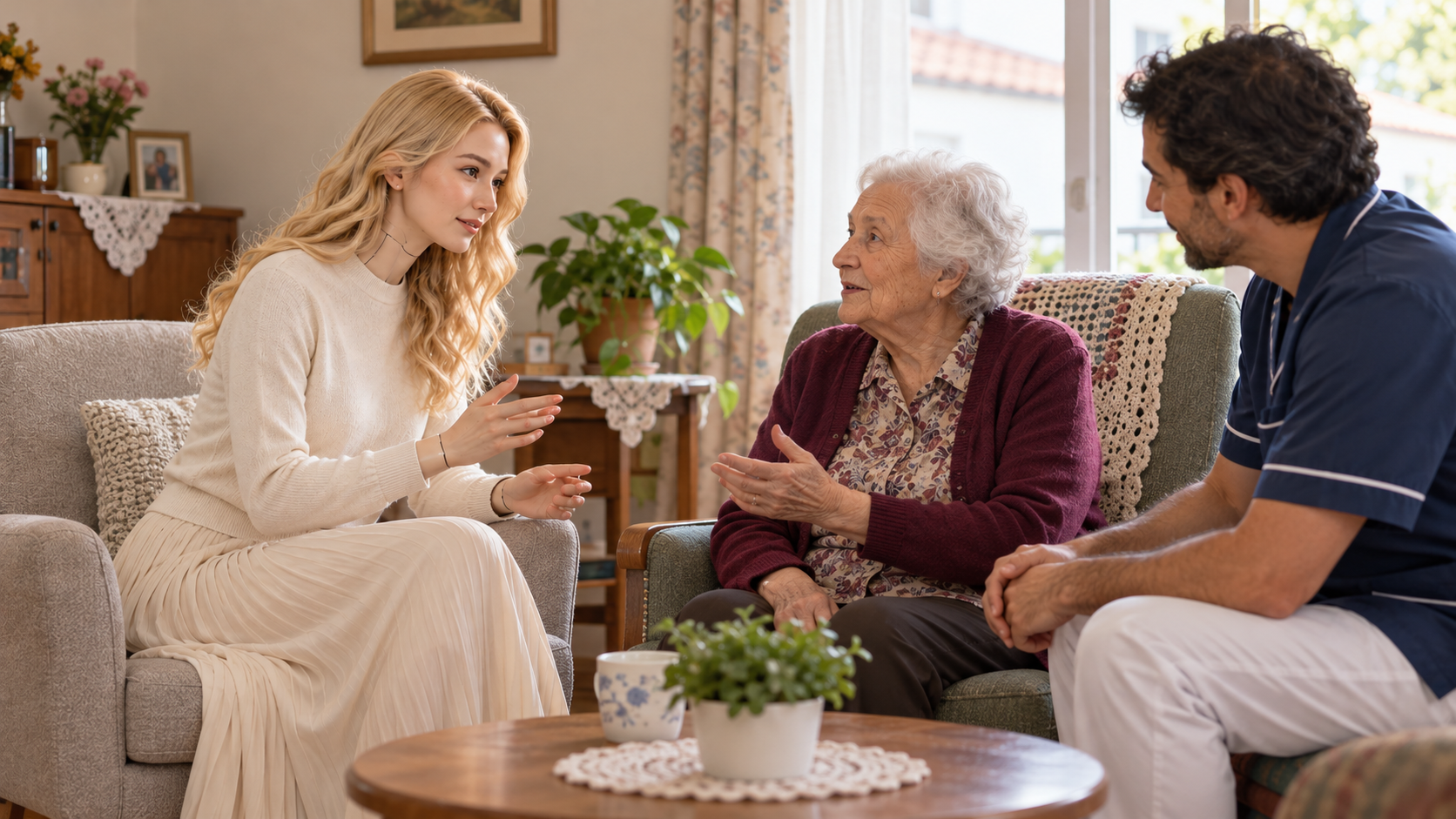
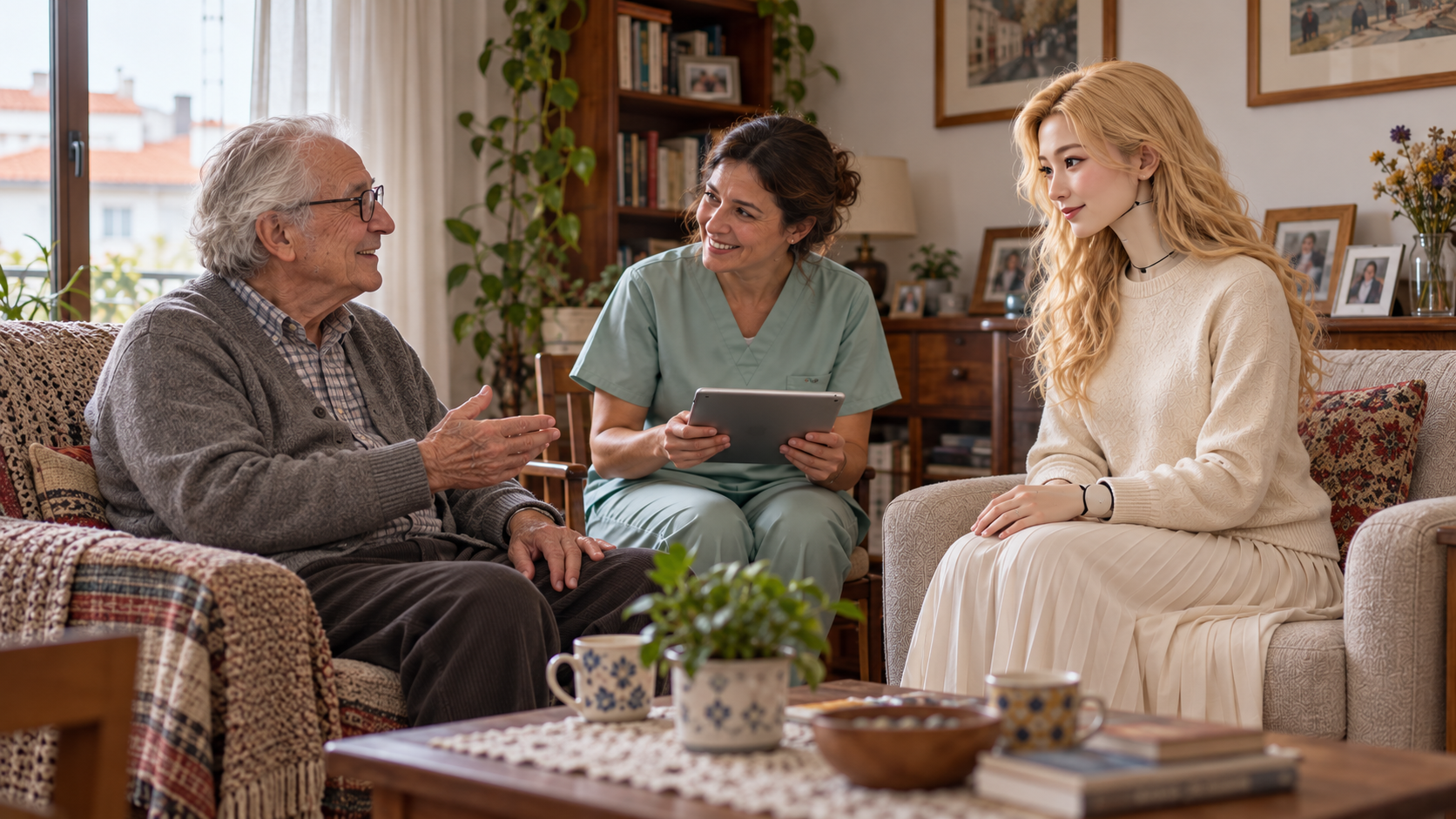
Walker C1 and U1 PRO: application scenarios guiding NM3D’s technical development and use-case design.
Proposed validation plan
A staged methodology with clear requirements, documented testing and evaluation criteria to guide application development.

Listen to professionals, caregivers and users; select tasks where robot support could be useful.
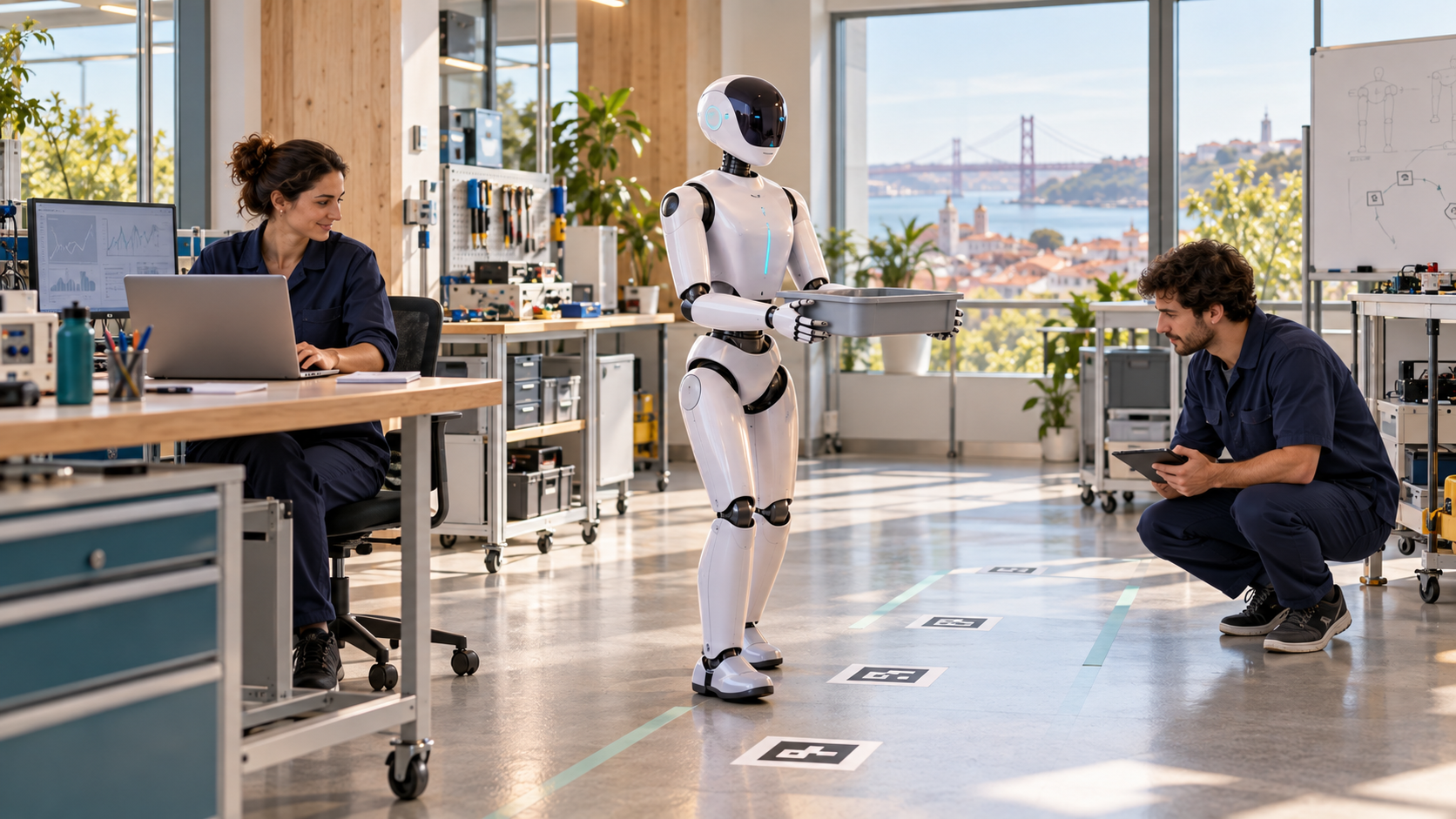
Test interactions, requests and routes under controlled conditions before involving people receiving care.
Assess use cases in a setting agreed with the institution, with training and responsible professionals.
Prepare use-case demonstrations and share verifiable findings with care institutions and research organisations.
The plan brings together technology development, institutional collaboration and evaluation in the intended setting.
| Dimension | Planned indicators | Evidence to produce |
|---|---|---|
| Reliability | Task completion, errors and interventions | Logs and repeatable tests |
| Usefulness for teams | Task duration and oversight effort | Comparison with the existing process |
| Acceptance and accessibility | Voluntary use, comprehension and feedback | Observation and partner-agreed assessment tools |
| Safety and privacy | Incidents, exceptions and appropriate data handling | Risk assessment, testing and documented decisions |
Evaluation will combine technical and operational indicators with the experience of professionals, caregivers and people receiving care. Targets and methods will be defined in each use-case protocol.
Responsible development
We develop assistive robotics to support professionals and caregivers, strengthen communication and facilitate everyday tasks. Human relationships and clinical decisions remain with healthcare teams.
We integrate safety, accessibility and data protection into application design. Pilot preparation includes professional supervision, informed participation and the ethical and regulatory requirements of each setting.
Principles for pilot preparation
Voluntary, understandable interaction adapted to each person.
Bounded tasks, oversight and the ability to stop or refer to a professional.
Design receipt confirmation, exception handling and team response.
Collect only what is needed, with defined responsibilities and access rules.
Collaboration and demonstrator
NM3D aims to lead a consortium bringing together technology development, scientific expertise and real institutional needs.
Application development, integration, technical coordination and preparation for future exploitation.
Robotics, human–robot interaction, human factors and assessment methodology.
Needs definition, use-case design and preparation of supervised pilots.
We are preparing an NM3D-led collaboration to develop, demonstrate and evaluate assistive robotics applications with research organisations and care institutions.
Propose a partnership or use case →In your initial enquiry, describe your organisation and its needs. Do not send health data or identifiers of people receiving care.
Manufacturer technology references: Walker C1 · U1 PRO · UBTECH Healthcare.
NM3D R&D programme · Assistive robotics for health and wellbeing · October 2026.