3D scanning has been transforming various sectors, from the automotive industry to healthcare, including heritage preservation and precision manufacturing. For a long time, the adoption of this technology was restricted to large companies due to high costs and equipment complexity. However, technological advances and increased market competitiveness have driven a new era of accessibility and efficiency.
Context and challenge
The Technological Revolution in 3D Scanning
In the past, 3D scanning was a technology reserved for highly specialized projects. Equipment was bulky and required advanced knowledge. Today, thanks to innovations such as high-precision sensors, advanced algorithms, artificial intelligence and intuitive software, 3D scanning has become faster and more efficient. These improvements have been driven by increased demand and the need for flexible solutions across various industries. Furthermore, the portability of new scanners allows their use in challenging environments without compromising measurement accuracy.
Main Factors Contributing to Cost Reduction
Technological Advances - New sensors, more efficient processors and improvements in manufacturing processes have significantly reduced production costs without compromising equipment quality and precision. The use of technologies such as structured light and laser enables more detailed and faster scans.
Production Scale - With the growing adoption of 3D scanning, manufacturers have managed to optimize processes and reduce manufacturing costs, enabling them to offer more accessible equipment to a wider range of users. Large-scale production has also enabled greater quality control and continuous innovation.
Market Competitiveness - The entry of new manufacturers and the development of innovative solutions have fostered greater competition, resulting in continuous quality improvement and price reduction of 3D scanners. This healthy competition encourages the development of increasingly advanced equipment adaptable to the demands of modern industry.
3D Scanning Within Everyone's Reach
Ease of use has been a determining factor for the widespread adoption of 3D scanning. Intuitive interfaces, more ergonomic devices and the possibility of cloud storage have eliminated entry barriers. Today, both highly specialized industries and individual users can benefit from this technology without the need for advanced technical training. Additionally, scanner compatibility with different modeling and analysis software facilitates integration into existing workflows.
Industrial applications
Sectors Benefiting from 3D Scanning
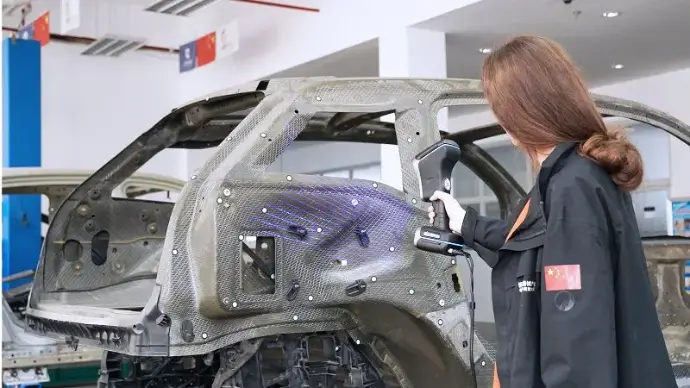
Automotive
Use of 3D scanning for quality control, reverse engineering and aerodynamic optimization. 3D metrology is fundamental to ensure the precision of parts and components at each production stage.
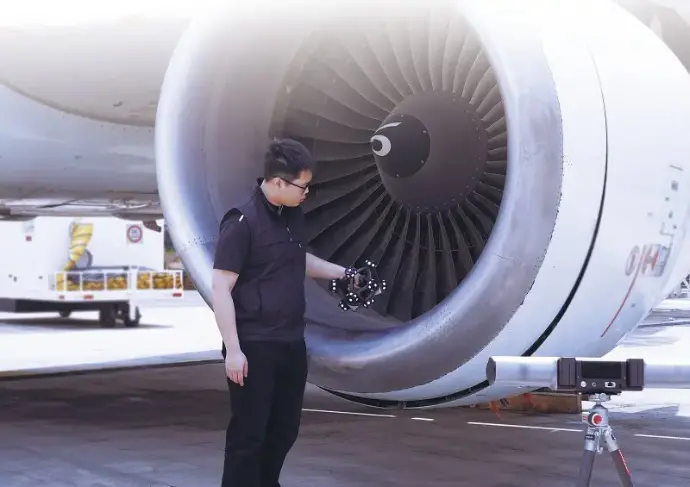
Aerospace
Detailed analysis of complex components, structural integrity monitoring and support for maintenance operations. 3D scanners are essential for composite material inspection and digital reconstruction of legacy parts.
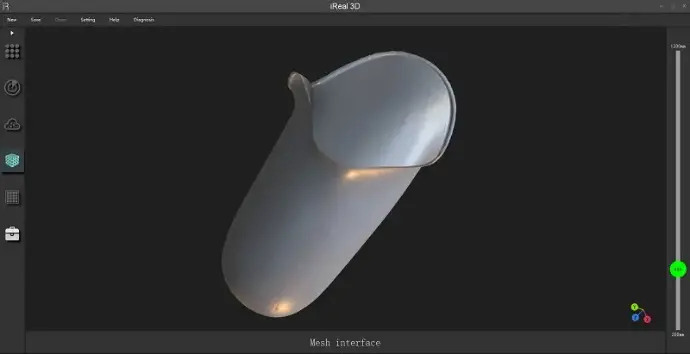
Healthcare
Development of customized prosthetics, orthoses and medical devices adapted with greater precision. 3D scanning enables accurate capture of human body morphology for personalized treatments.
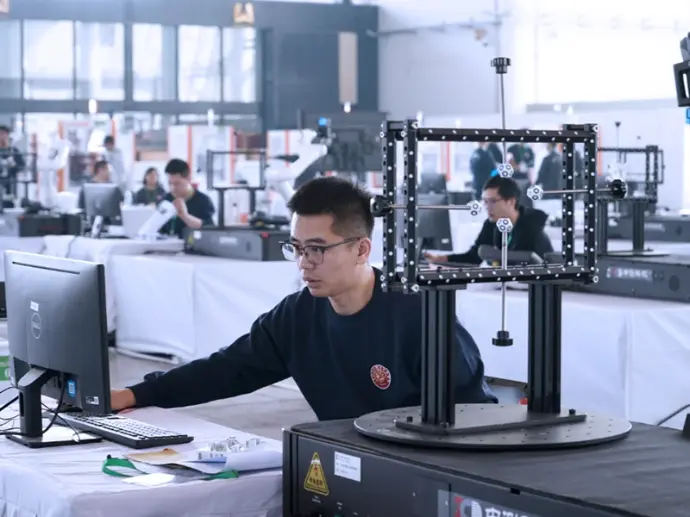
Education and Training
Implementation of metrology laboratories to prepare future professionals for market challenges. The introduction of 3D scanners in universities allows students to work with cutting-edge technology before entering the job market.

Heritage Preservation
Digitization of historical artifacts for creating digital archives and interactive exhibitions. Museums and cultural institutions use this technology to preserve relics without the need for physical contact.
Results and benefits
The Future of 3D Scanning
With the evolution of artificial intelligence and the integration of cloud computing, 3D scanning will continue to evolve, becoming even more accessible and efficient. Sectors such as the automotive industry, smart manufacturing and virtual reality will particularly benefit from these innovations, enabling greater process integration and automation. The implementation of 3D scanners in automated production lines will facilitate real-time quality control, reducing waste and increasing efficiency.
The growing adoption of augmented and virtual reality also opens new possibilities for 3D scanning, from immersive industrial training to product design in collaborative environments. The interconnection between these technologies promises to further drive the development of intelligent solutions adapted to future demands.
How NM3D can help
NM3D Ibérica Support
3D scanning is redefining industry standards and expanding into new applications, becoming an essential tool in process optimization and the development of innovative solutions. NM3D Ibérica remains at the forefront by offering cutting-edge 3D metrology technology, ensuring that companies have the best solutions to improve their efficiency and production quality. The continuous evolution of this technology promises to transform how three-dimensional data is captured, analyzed and applied, driving innovation across multiple sectors.
Would you like to assess this solution for your application?
If you would like to learn more about 3D scanning solutions and how they can benefit your business, do not hesitate to contact NM3D Ibérica. Our team of specialists is ready to provide technical support and help you find the best solution for your needs.
Contact
Email: sac@nm3diberica.com