Electric mobility has brought new challenges to the automotive industry. Today's vehicles integrate high-density batteries, high-voltage wiring, complex connectors, thermal systems, critical welds, electronic modules and multi-material assemblies where a small internal failure can compromise performance, safety or reliability. Industrial X-ray computed tomography allows observation of the interior of parts without cutting, disassembling or damaging the product, transforming a physical component into a 3D digital volume. From that volume, it is possible to visualize internal sections, measure hidden geometries, identify defects, compare the part with the CAD model, analyze assemblies and technically document the actual state of the component.
Context and challenge
Electric vehicle components are increasingly compact, integrated and demanding. Many critical areas are hidden inside boxes, encapsulations, modules, connectors, internal channels or interfaces between materials. A visual inspection shows only the exterior. A destructive test requires cutting the part and may alter precisely the area to be studied. Industrial tomography solves this problem: it allows seeing the interior of the component in its original state. This is especially important in phases of product development and validation, industrialization, quality control, failure analysis and reverse engineering and internal metrology.
The solution or technology
Industrial tomography allows analyzing components without disassembly, observing internal structures and critical areas that would not be visible externally. The collected data can be used for measurements and quantitative analyses: comparison between actual part and CAD, internal and external dimensional analysis, color deviation maps, thickness measurement, porosity analysis, internal volume measurement, section extraction, evaluation of circularity, flatness, alignment or positioning, defect documentation and technical reports for engineering, quality or end customer. This allows transforming a visual inspection into a technical analysis supported by measurable data.
Industrial applications
1. Battery Components For Electric Vehicles
Batteries are one of the most critical assemblies of the electric vehicle. Their safety depends on the quality of cells, modules, electrical connections, insulation, encapsulation, thermal systems and final assembly.
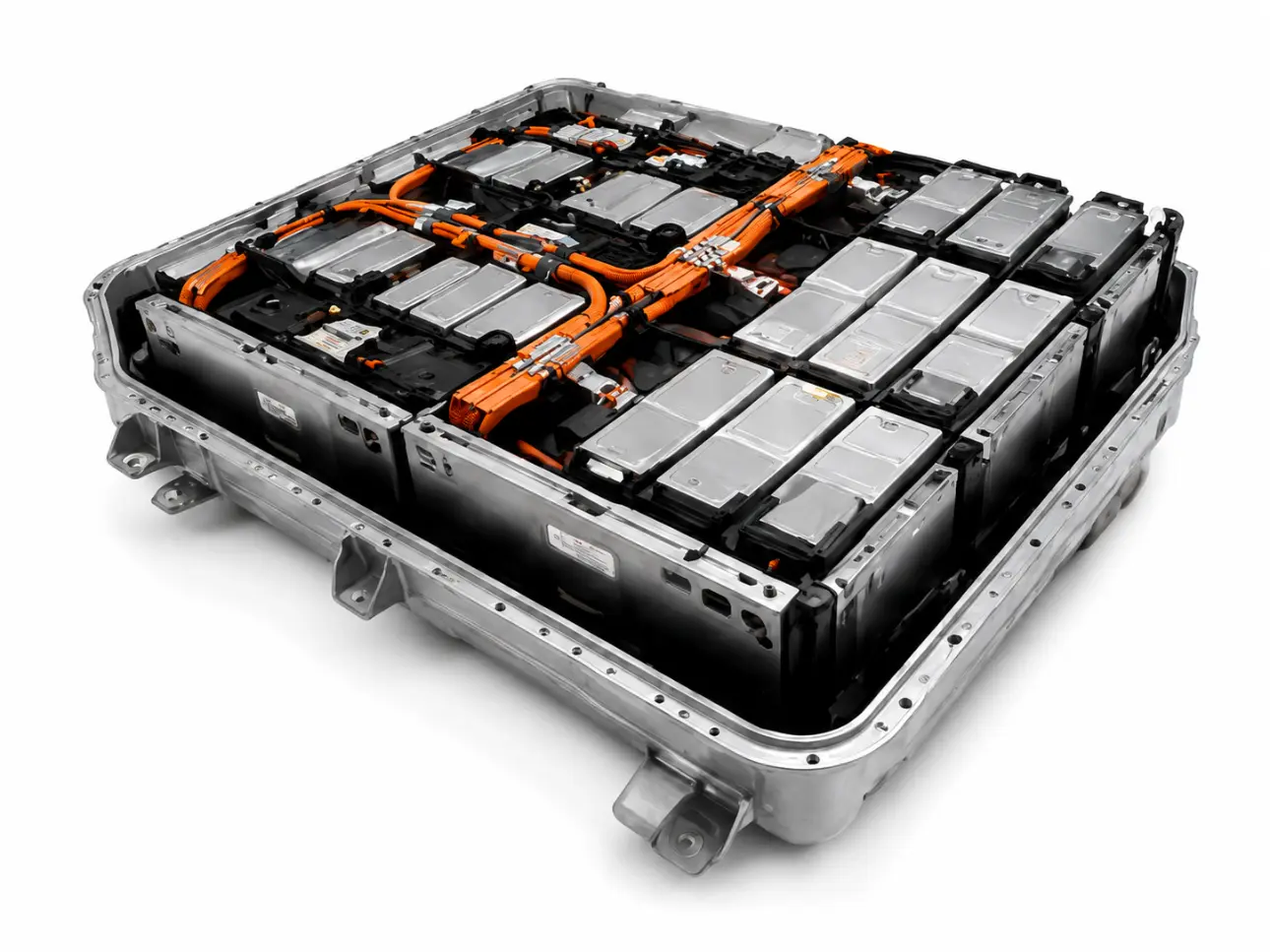
Tomography allows analyzing: cylindrical, prismatic or pouch cells; battery modules; subassemblies and battery boxes; separators, internal areas and alignments; encapsulations and resins; internal insulation; deformations, voids, inclusions or misalignments; contact areas between components; component state before and after mechanical, thermal or functional tests.
2. Electric Cables, Connectors and Crimps
In an electric vehicle, wiring is not just an auxiliary element. Power cables, connectors, terminals and crimps are fundamental to ensure stable electrical conduction, low resistance, thermal safety and service reliability. Tomography allows visualizing the interior of terminals and electrical connections to evaluate how wires are positioned, compressed and distributed within the crimp. Analysis examples: positioning of conductors within the terminal; crimp compression; broken or deformed wires; voids between conductor and terminal; insufficient contact; excess or lack of compression; internal failures not visible externally; analysis of encapsulated or overmolded connectors; validation of high-voltage wiring.
3. Welds, Brazing and Electrical Connections
Welds in battery components and electrical systems are critical areas. In applications such as tab-to-busbar connections, busbars, terminals, contacts, metallic connections and electrified subassemblies, the quality of the joint directly influences electrical resistance, mechanical strength, thermal dissipation and system safety.
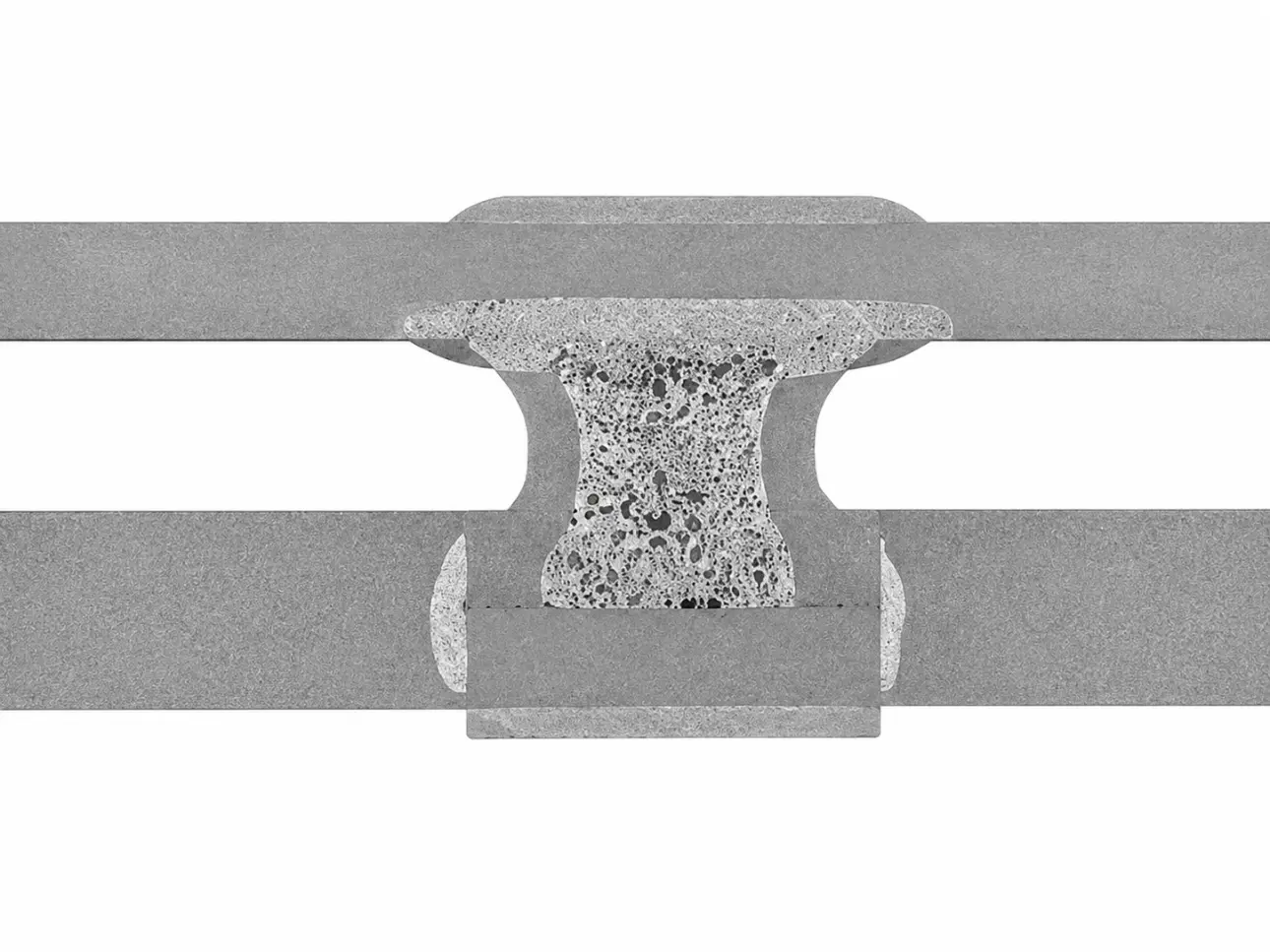
Industrial tomography allows observing these connections internally and identifying defects such as: porosity; lack of fusion; cracks; inclusions; voids; joint discontinuity; insufficient penetration; excess material; localized deformation; misalignment between joined components.
4. Heating and Cooling Systems
Electric vehicles depend on efficient thermal systems. Batteries, power electronics, inverters, electric motors and charging systems need to maintain controlled temperatures to ensure performance and durability. Many of these components integrate internal channels, cooling plates, heat exchangers, fluid circuits, bonded areas, gaskets and thermal interfaces that cannot be evaluated only from the exterior.
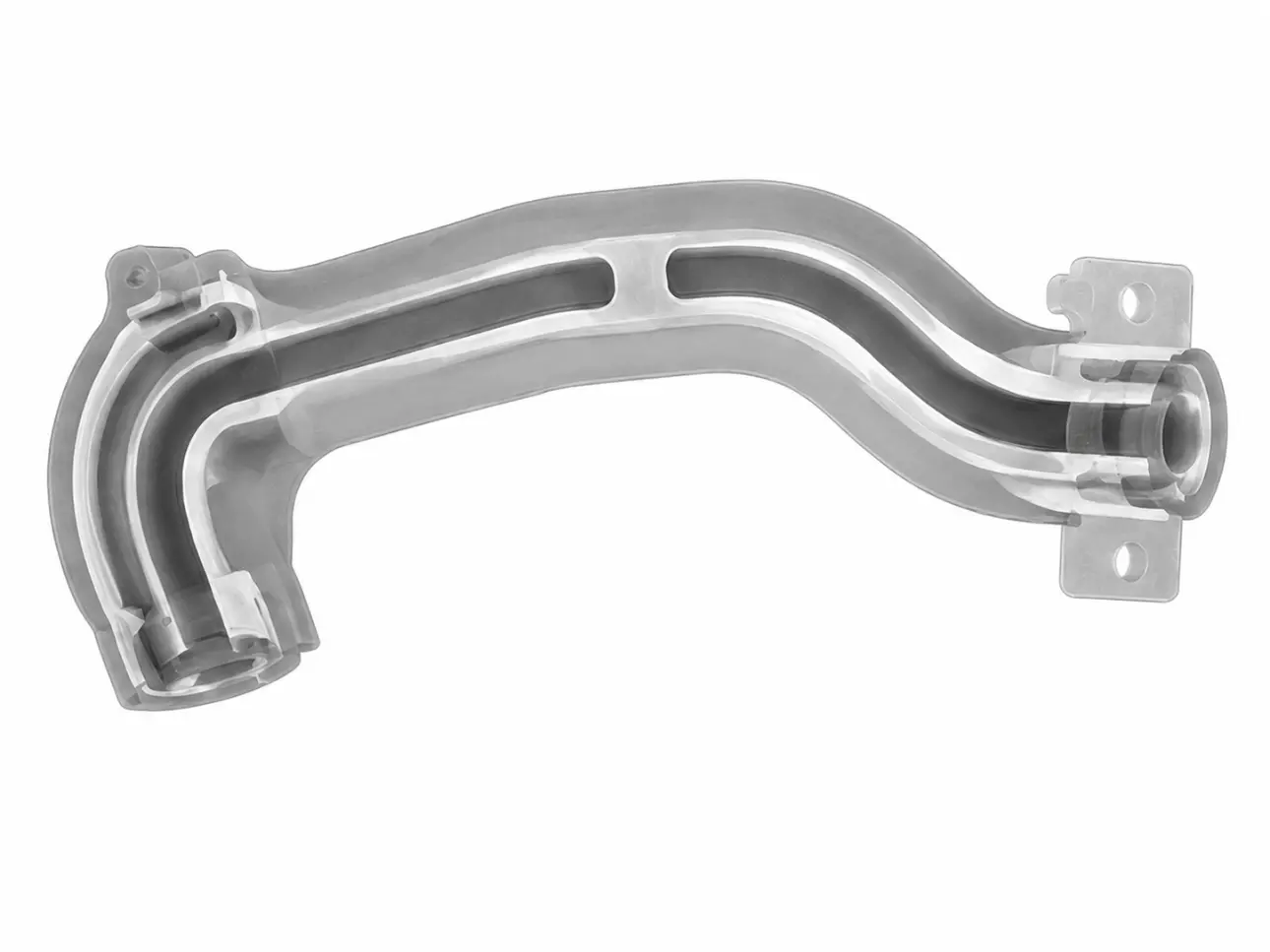
With tomography, it is possible to analyze: internal cooling channels; cold plates and thermal management components; internal obstructions; channel deformations; wall thicknesses; missing material; areas with porosity; voids in thermal interface materials; gaskets, seals and interfaces; misalignments in assembled components; possible critical areas for leakage or loss of thermal efficiency.
5. Plastic, Metallic and Multi-Material Parts
Many electric vehicle components combine technical plastics, metals, elastomers, resins, adhesives, inserts and electronic components. This combination of materials creates inspection challenges, because internal interfaces can hide defects or assembly failures. Tomography can analyze: injection-molded parts with metallic inserts; overmolded components; technical boxes; covers, supports and housings; parts with internal cavities; components with sealants or gaskets; multi-material parts; defects in plastics, such as pores, sink marks, cracks or incomplete filling; position of inserts, screws, clips or internal elements; correct assembly of subassemblies.
6. Electronics, Sensors and Encapsulated Components
Power electronics and control systems of electric vehicles include boards, welds, connectors, sensors, encapsulations and protective materials. In many cases, the failure may be hidden inside a resin, box or internal connection.
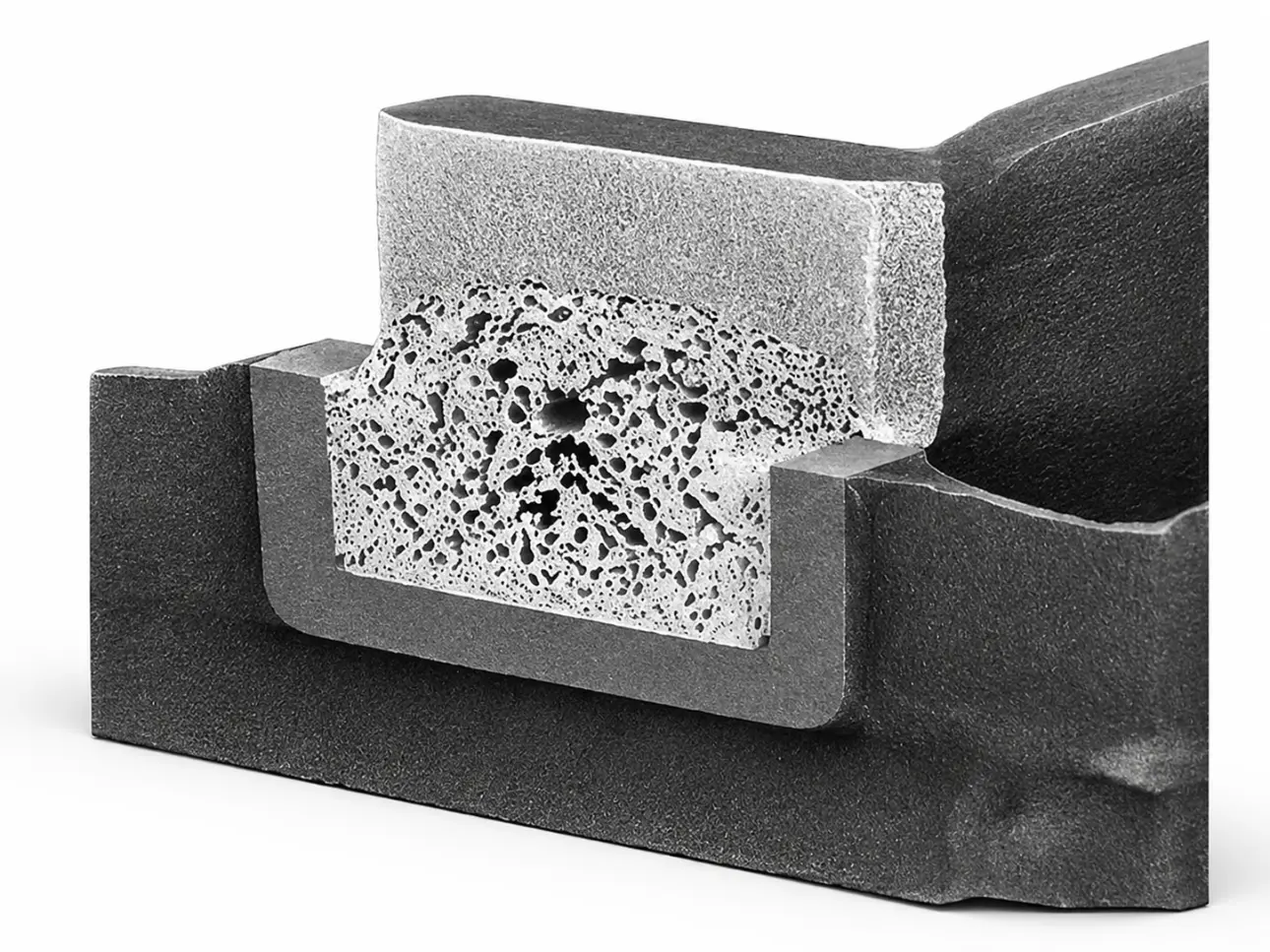
Tomography allows observing: welds on electronic boards; voids in encapsulation; component position; internal cracks; connector defects; interface failures; foreign bodies; bubbles or delaminations; integrity of electronic subassemblies.
Results and benefits
Industrial tomography allows answering questions that often have no answer with conventional methods: Is the part well assembled inside? Does the weld have porosity or lack of fusion? Is the cable correctly crimped? Is the cooling channel clear and with the correct geometry? Is material missing? Did the component deform after testing? Did the failure occur in manufacturing, assembly or service? Is the part compliant with CAD? Is the defect localized or repetitive? Is the supplier delivering consistent parts? Can we validate the component without destroying it? By answering these questions, tomography helps reduce uncertainty, accelerate decisions, avoid unnecessary disassembly and improve product reliability.
How NM3D can help
At NM3D Ibérica, we apply advanced metrology, digitization and industrial tomography technologies to support companies that develop, produce or validate critical components. In the electric mobility sector, we are focused on the analysis of batteries, electric cables, connectors, welds, heating and cooling systems, electronic components, multi-material parts and all elements whose internal quality is essential for vehicle safety and performance. Our approach allows transforming physical components into technical data, helping engineering, quality, production and maintenance teams make faster, safer and more informed decisions. With industrial tomography, we stop depending only on what is seen from the outside. We begin to understand what happens inside.
Would you like to assess this solution for your application?
If you want to evaluate battery components, wiring, welds, thermal systems or other critical parts by tomography, contact NM3D Ibérica.