The aeronautical industry is one of the most demanding industrial sectors in terms of dimensional precision, traceability and quality control. Every component integrated into an aircraft — from metal structures and engine parts to aerodynamic elements or fastening systems — must meet extremely rigorous tolerances. Any geometric deviation can compromise not only equipment efficiency, but also safety and compliance with highly demanding international standards.
In this context, industrial metrology plays a fundamental role throughout the entire product lifecycle, from the development phase to series production and maintenance. The ability to measure, validate and compare complex geometries with high precision has become essential to ensure that each component corresponds exactly to the engineering model defined during the design phase.
Context and challenge
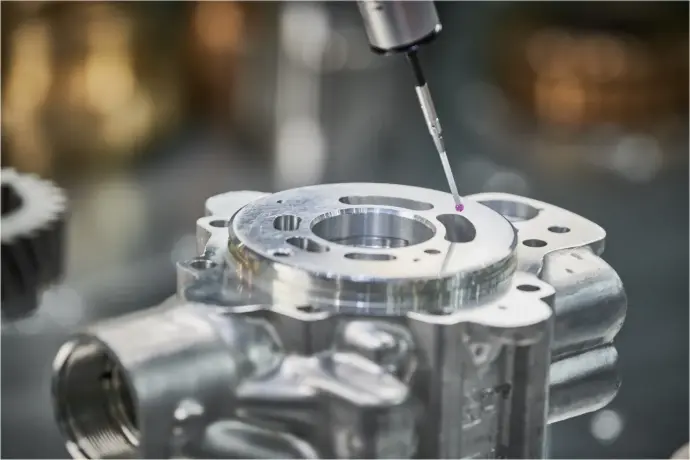
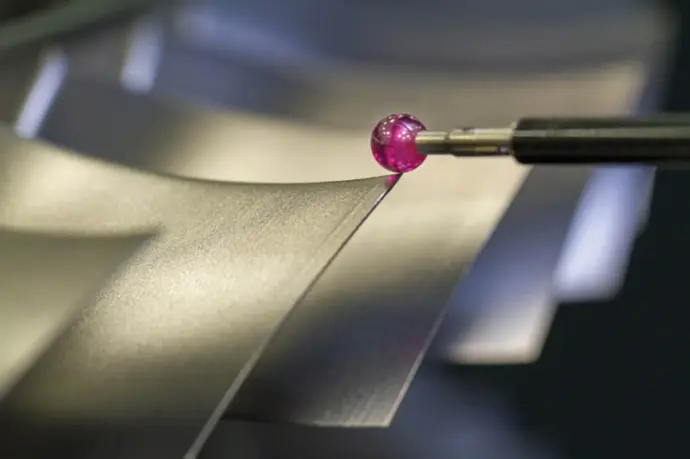
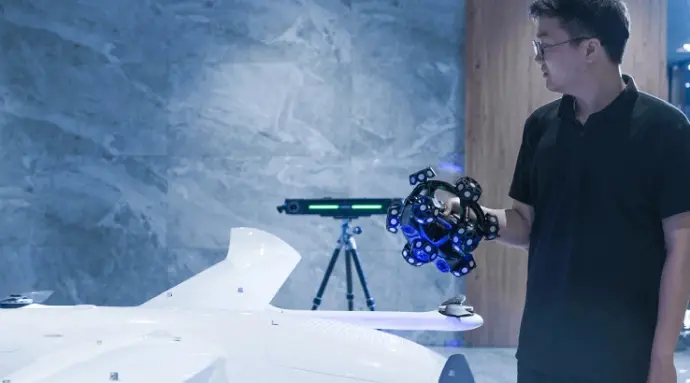
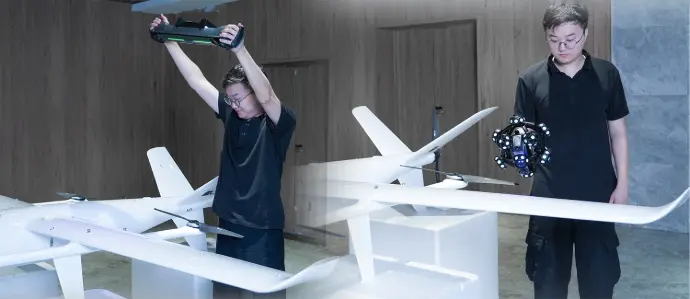
Aeronautical components frequently present complex geometries, aerodynamic surfaces and internal structures that are difficult to measure with traditional methods, making the use of advanced measurement technologies essential. To address these challenges, companies use coordinate measuring machines (CMM), 3D scanning systems and non-contact inspection technologies, capable of capturing millions of measurement points and reconstructing the real geometry of the part with a high level of detail.
Another critical factor in the aerospace industry is the traceability of measurement processes. International regulations and certifications require manufacturers to demonstrate that each component has been verified and validated according to rigorous procedures. Modern metrology systems enable the generation of detailed inspection reports, frequently integrated with specialized dimensional analysis software, ensuring that all relevant data is documented and accessible throughout the entire lifecycle of the part.
The solution or technology
During the development phase, metrology enables the validation of prototypes and ensures that the first parts produced meet CAD model specifications.
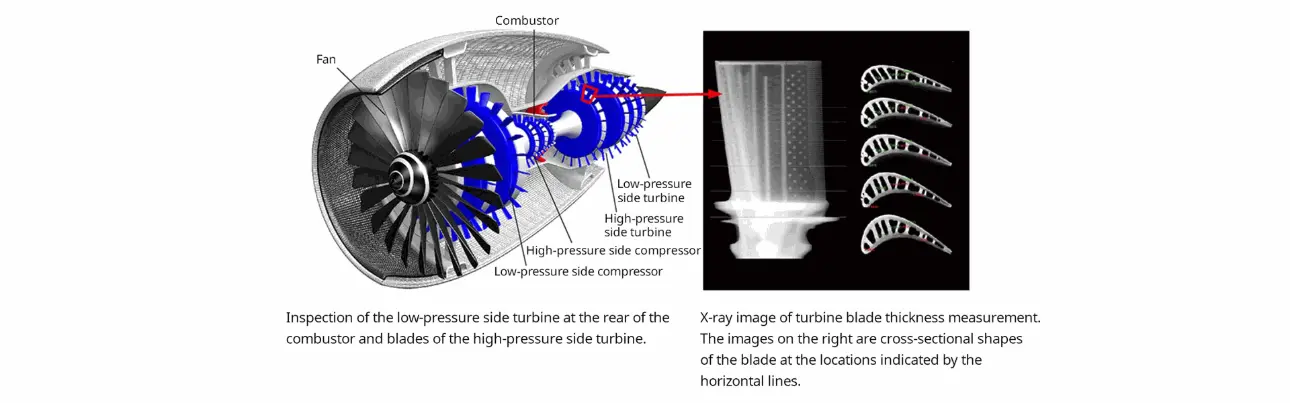
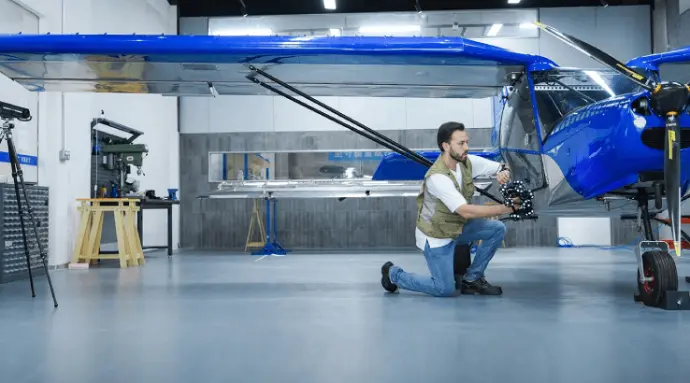
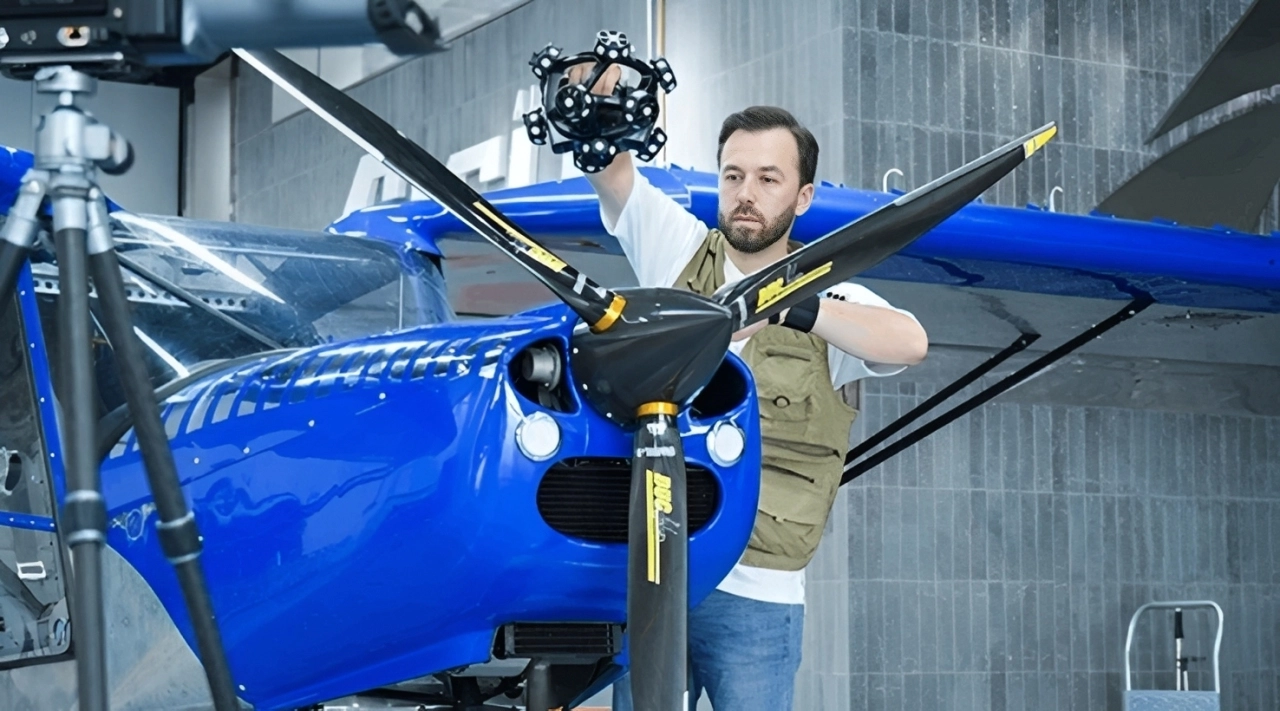
Three-dimensional scanning has become particularly relevant in this process. By generating a complete digital representation of the physical part, it becomes possible to perform precise comparisons between the manufactured object and the CAD model, identify dimensional deviations and visually understand where variations occur in the manufacturing process. This analysis enables engineering teams to adjust production parameters, improve tooling and reduce potential problems before large-scale production begins.
Industrial applications
Beyond initial prototype validation, metrology is equally essential in continuous quality monitoring during production. In highly automated industrial environments, measurements are frequently integrated into statistical control processes, enabling trend tracking, early deviation identification and defect prevention before they affect a significant number of parts.
Results and benefits
This approach contributes to improving final product quality and reducing waste, rework and costs associated with non-conformities. The role of metrology also extends to continuous improvement of manufacturing processes. Systematic analysis of measurement results enables engineering teams to better understand the behavior of production processes and implement adjustments that increase the stability and precision of industrial operations. In this way, metrology ceases to be merely a final verification tool and assumes a strategic role in industrial optimization.
How NM3D can help
In this context, companies specialized in industrial metrology, such as NM3D IBERICA, support organizations in implementing advanced measurement and dimensional analysis solutions. Technologies such as coordinate measuring machines from LK Metrology, vision systems from Nikon Metrology, 3D scanning from Scantech and PolyWorks metrology software enable high levels of precision, traceability and dimensional control in demanding industrial processes.
In a sector where every micrometer can make a difference, the integration of advanced measurement technologies has become indispensable to ensure safety, quality and production efficiency. As aeronautical projects evolve and the materials used become more sophisticated, metrology will continue to play a fundamental role in the development of increasingly complex and reliable components.